Sun damage & photoageing
Most of what we call ‘ageing’ skin is really sun damage. It shows as pigmentation, rough texture, redness and lines — and it's one of the most rewarding things to address, carefully.
Most of what people call ageing in skin is accumulated sun exposure. Ultraviolet light breaks down collagen and elastin in the dermis and disrupts the cells that produce pigment, which is why sun damage shows as several things at once: flat brown marks, uneven tone, broken capillaries, rough patches and a general loss of firmness. In Australia that accumulation starts early and continues year round, including on overcast days and through car windows. Approaches work at different levels, from the surface for tone and texture to the deeper skin for firmness, and are planned as a course. Daily sun protection is the part that holds any result in place, and without it treated skin simply accumulates the same damage again. Anything that looks like it is changing quickly should be seen by a doctor rather than treated cosmetically. What suits you is assessed in person.

The why behind it
Photoageing is the cumulative effect of ultraviolet light on the skin over the years. It's estimated to account for the majority of visible skin ageing — showing up as sun spots and uneven pigment, rough or leathery texture, broken capillaries, and a loss of firmness.
Because it builds slowly and invisibly, much of the damage is ‘banked’ long before it shows — which is why prevention through daily sun protection matters at every age.
Treating existing sun damage combines careful, tone-appropriate resurfacing and pigment care with, above all, diligent daily SPF — without which any result simply returns. Deeper skin tones are approached more conservatively.
We assess your skin and history in person and tailor a gentle, realistic plan — always honest that this is managed and maintained, not ‘undone’.
Where pigment sits
How readily pigment responds depends largely on how deep it is — which is why it's assessed carefully, and treated to suit your skin tone.
Surface pigment
Sun spots and post-breakout marks usually sit near the surface — and tend to respond more readily to a considered plan.
Deeper pigment
Hormonal pigment such as melasma sits lower and tends to be more stubborn — managed gently and patiently rather than forced.
Treatments that help
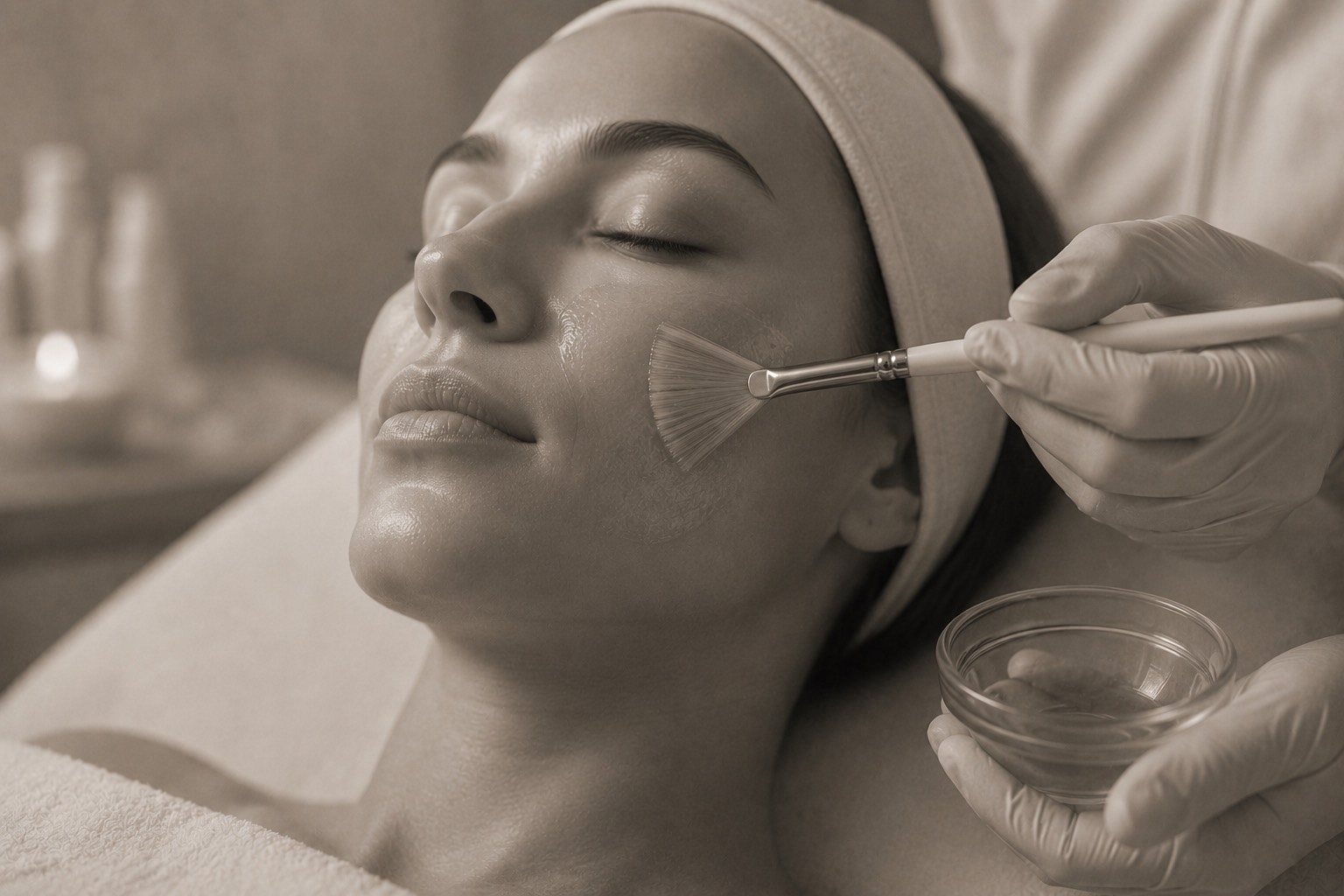
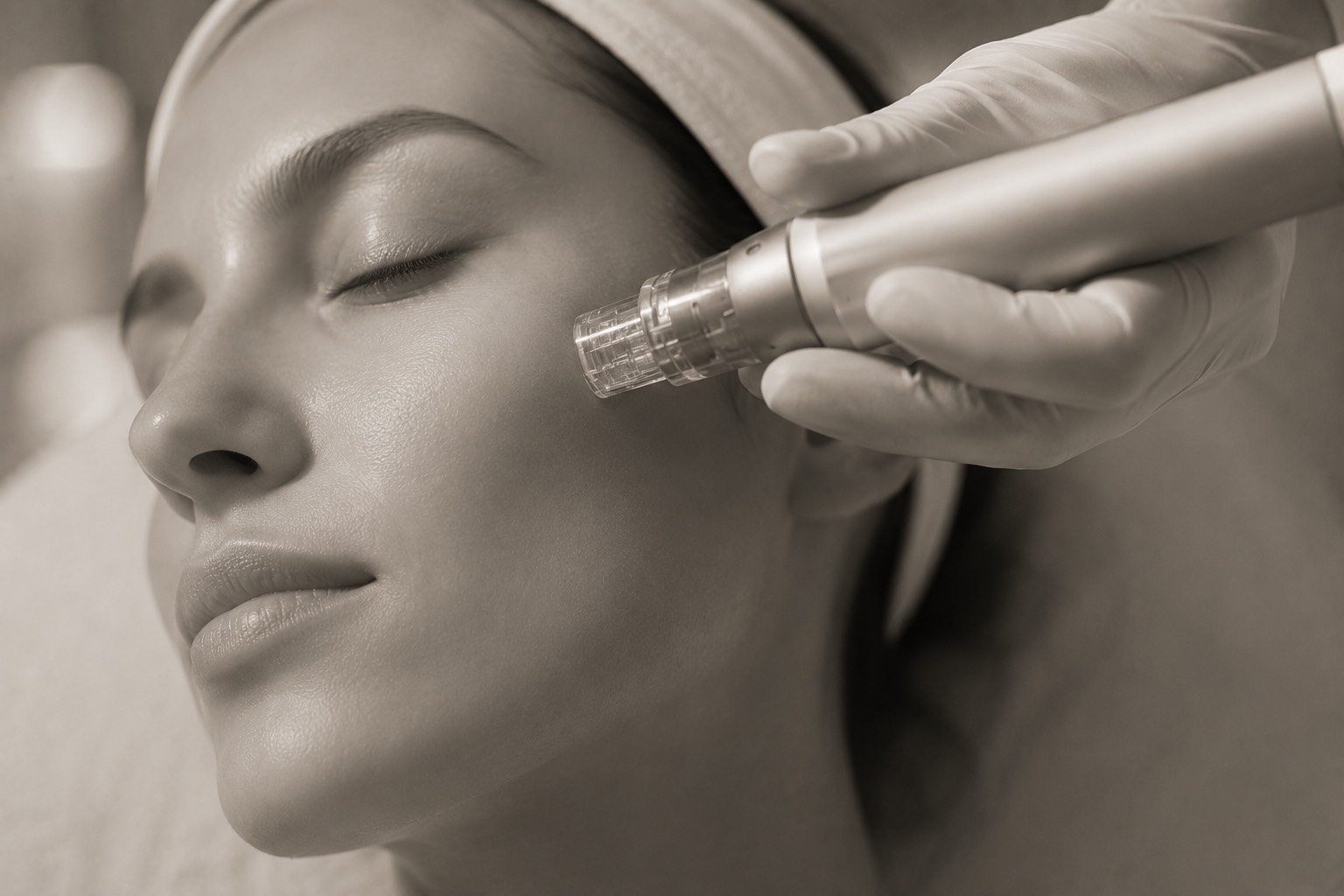
These are common starting points — the right combination for you is confirmed in a complimentary consultation and skin analysis.

Let's look at it together.
A complimentary, no-pressure consultation and skin analysis is the best way to understand your skin — and what, if anything, is worth doing.
Frequently asked questions
What is sun damage (photoageing)?
It's the cumulative effect of UV light on the skin over years — showing as sun spots, uneven tone, rough texture, broken capillaries and loss of firmness. It's thought to drive the majority of visible skin ageing.
Can sun damage be reversed?
It can be improved and managed rather than fully reversed — careful resurfacing and pigment care soften its look over a course, and daily sun protection keeps it from returning.
How much of skin ageing is caused by the sun?
A large majority of visible ageing is attributed to sun exposure rather than time alone — which is why sun protection is so powerful at every age.
Is treatment safe for darker skin tones?
Yes, with careful, conservative, tone-appropriate settings — deeper tones are treated more gently to protect against pigment changes, and always assessed first.
What helps sun-damaged skin the most?
A tailored plan of gentle resurfacing and pigment care, and — above everything — diligent daily sun protection, which protects both your skin and your results.
How do I prevent more sun damage?
Daily broad-spectrum SPF (ideally 50+ in Australia), reapplied outdoors, plus shade and cover. It's the single most effective step at any age.
Understand it deeper


Other concerns