Brown tones
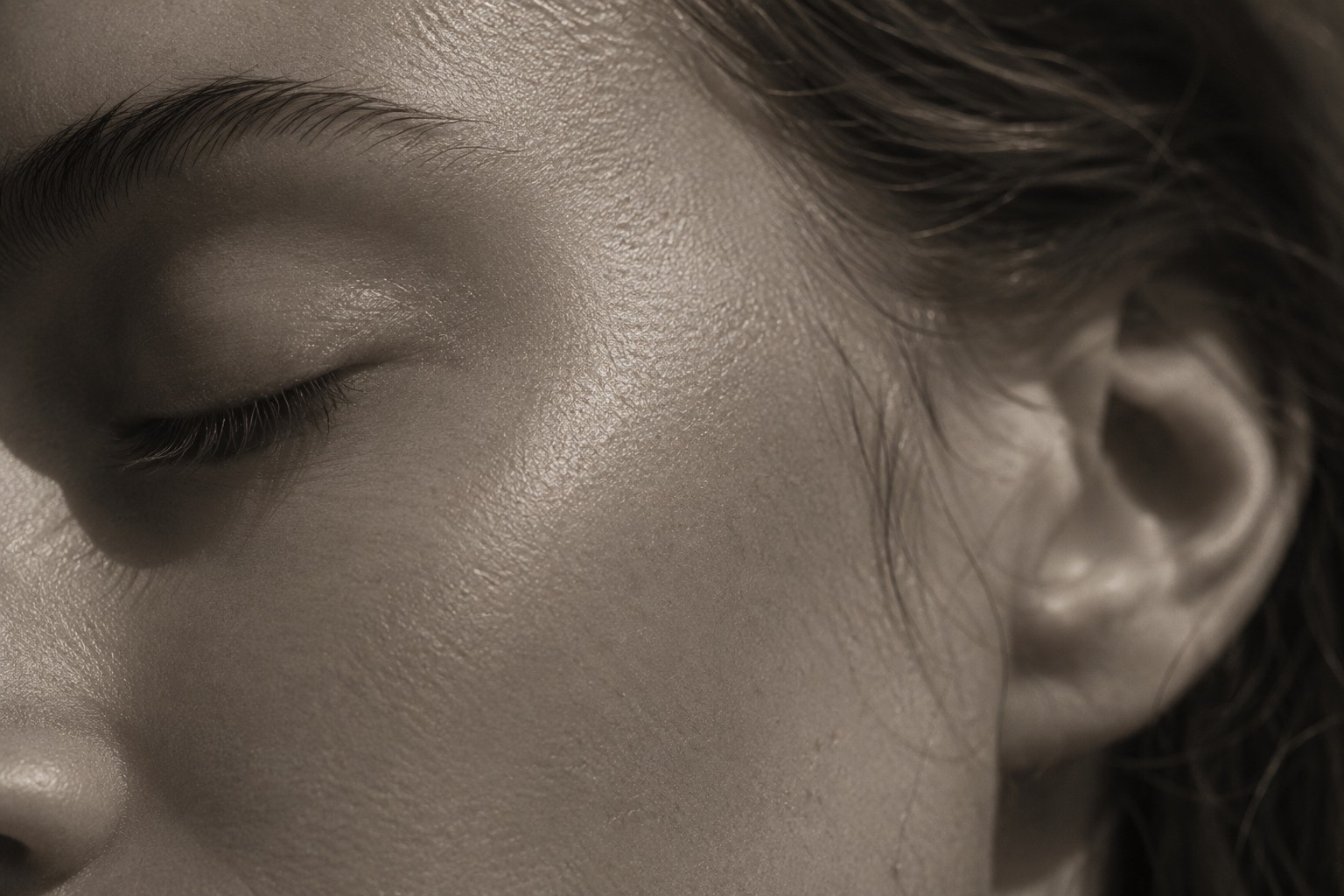
Extra melanin under the eye — often genetic, hormonal or sun-related, and more common in deeper skin tones. It doesn't fade when you press the skin.
Dark circles, puffiness and a tired look under the eyes have many causes — and the right approach depends on yours. Here's how the under-eye area is assessed and approached.
Dark circles are not one condition. Some are vascular, where the skin under the eye is thin enough to show the blood vessels beneath as blue or purple. Some are pigmented, where extra melanin sits in the skin itself, which is more common in deeper skin tones and can run in families. Some are structural, where a hollow beneath the eye casts a shadow that reads as darkness. Many people have a combination. A simple self-check helps: gently stretch the skin sideways, and if the colour fades it is more likely vascular. The distinction matters because each is approached differently, which is why a single eye cream so rarely solves it, and why an aggressive treatment aimed at the wrong cause can make the area look worse. What suits you, including how your skin tone shapes the plan, is assessed in person.

Under-eye concerns can come from genetics, thin skin, pigmentation, shadowing from volume loss, or simply fatigue and fluid. Because the skin here is delicate and the causes differ, there's no single fix — it starts with understanding what's actually driving it.
Depending on the cause, options range from gentle skin-quality treatments to approaches best discussed privately in consultation. We assess the area carefully and tailor a considered, realistic plan — never a one-size promise.
Read the full guide: Dark circles & under-eyes: why they happen, and what actually helps →

"Dark circles" aren't one thing — they have different causes, and the right approach depends entirely on which kind you have. Most people are a blend of two.
Extra melanin under the eye — often genetic, hormonal or sun-related, and more common in deeper skin tones. It doesn't fade when you press the skin.
Thin under-eye skin letting the vessels beneath show through. Often worse when tired — and it tends to lighten when you gently stretch the skin.
A tear-trough hollow from volume loss casts a shadow — so it isn't pigment at all, but light. Most visible from above and in harsh lighting.
Fluid retention or fat pads create puffiness, which then casts its own shadow. Often worse in the morning, with salt, or with allergies.
A quick self-check: gently stretch the skin sideways. If the colour fades, it's likely vascular or pigment; if a hollow or shadow remains, it's structural. We confirm yours in person — and most people are a mix. How your skin tone guides the approach →
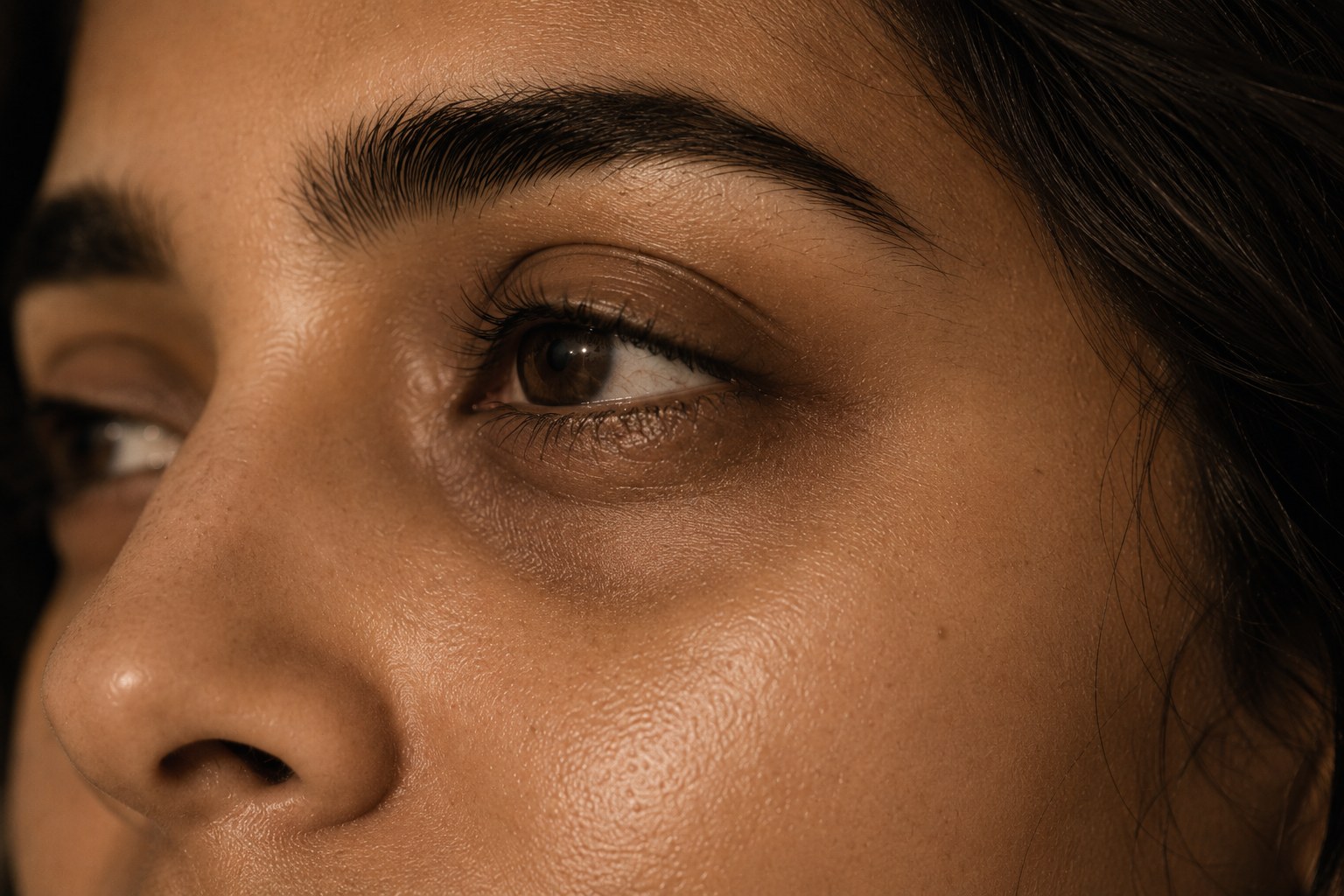

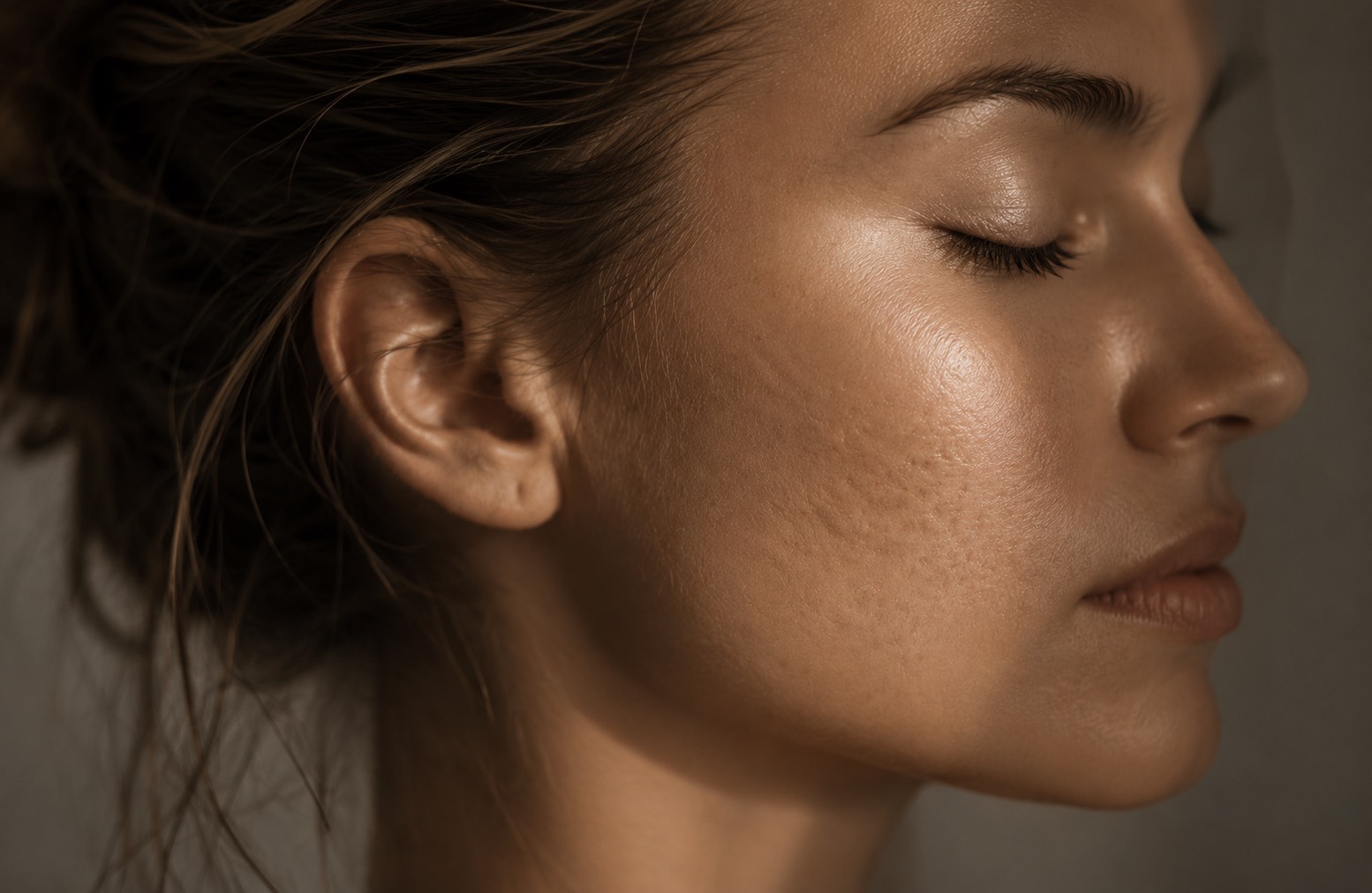
Under-eyes are shaped by things you can't change — and several you can. An illustrative picture; yours is assessed individually.
The good news: several of these respond to considered skin-quality treatments and good habits — while structural shadow is approached differently again. That's exactly why a tailored plan matters more here than almost anywhere on the face.
Because each kind has a different cause, each is approached differently — which is why a single "eye cream" rarely solves it. In a consultation we identify yours (usually a blend) and tailor accordingly.
Pigmented circles are more common — and need more careful handling — in deeper skin tones, where an over-aggressive approach can make pigmentation worse rather than better. Your tone is always assessed first.


There's no single right answer across tones — the plan is matched to your phototype and history. More on skin types & tones →
These are common starting points — the right combination for you is confirmed in a complimentary consultation and skin analysis.
A complimentary, no-pressure consultation and skin analysis is the best way to understand your skin — and what, if anything, is worth doing.
There are several causes — pigment, visible blood vessels, a shadow from volume loss, or puffiness — and most people are a mix. The right approach depends entirely on which kind you have, which we identify in person.
Depending on the cause, skin-quality treatments and good habits can help — while a structural shadow is approached differently again. A one-size 'eye cream' rarely solves it.
The under-eye skin is delicate, so it's approached gently and conservatively, tailored to the cause and your skin tone, after a careful assessment.